LA ROULETTE RUSSA

Quello del gran premio di Russia è stato un weekend strano e molto difficile da interpretare, dove sono stati davvero i piccoli dettagli a fare la differenza e gli errori strategici e di set up si sono fatti sentire molto. Cerchiamo dunque di fare un po' di chiarezza su quanto abbiamo visto in pista.

In particolare risulta importantissimo il recupero di energia che può essere ottimamente sfruttato.
Il primo settore è molto veloce. Lì contano motore e Cx con l'eccezione del lungo curvone centrale. Il secondo settore è invece più tecnico. Oltre alla potenza necessaria per l'allungo di curva 11, c'è anche bisogno di tanto carico e di un buon bilancio aerodinamico.
Nell'ultimo settore risultano invece fondamentali gli sforzi di trazione e un buon comportamento della vettura sui cordoli.

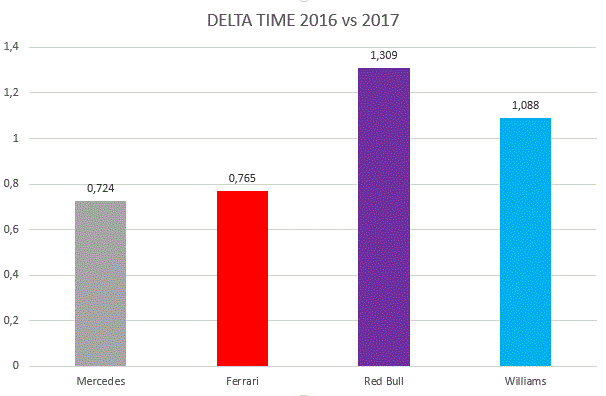
Un primo dato interessante da analizzare è il confronto tra i tempi registrati in qualifica nel 2016 e quelli nel 2017. Si continua ad essere lontani dai famosi 5 secondi di cui si parlava ad inizio dell'anno. Ma, viste le caratteristiche della pista che vi ho appena illustrato, c'è stato comunque un significativo aumento dei gap. Nel caso della rinata Ferrari il distacco è arrivato addirittura a tre secondi, contro il secondo striminzito registrato in una pista da efficienza in rettilineo come quella del Bahrain.
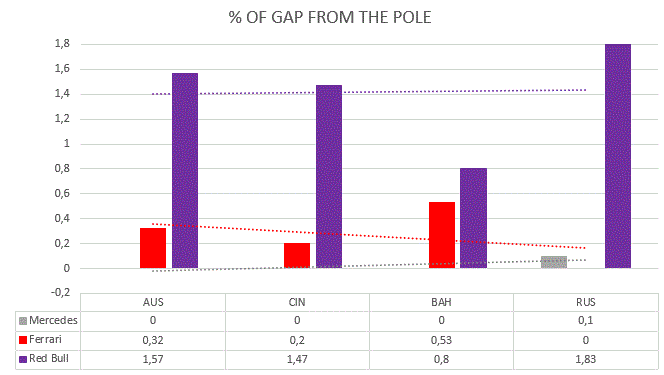
Passando dunque all'analisi vera e propria, andiamo in primis ad analizzare l'evoluzione del gap percentuale dalla pole delle tre squadre che al momento risultano essere più competitive.
Parliamo di una competitività abbastanza relativa per la Red Bull, che con la sua vettura ancora in configurazione "low drag"(ci dovrebbe essere un importante aggiornamento aerodinamico per Barcellona), ha sofferto in egual modo in curva e in rettilineo (non scordiamoci della PU Renault).
Teniamo poi d'occhio le linee di tendenza di Ferrari e Mercedes, perché sarà davvero interessante vedere se andranno mai ad incontrarsi durante la stagione!

Molto significativo risulta il grafico con il confronto tra il tempo segnato in Q3 e il tempo "ideale" dato dalla somma dei migliori tempi nei tre settori.
Risulta evidente che Bottas avrebbe avuto la velocità per prendersi la pole position (per quasi due decimi tra l'altro). A causa però di una vettura, che per il tutto il weekend ha avuto problemi a portare le gomme nel giusto range di temperatura, non è riuscito a mettere assieme i suoi best sectors nel decisivo Q3. Per gli stessi motivi il suo compagno di squadra è rimasto cosi lontano dalla terza posizione.
Un altro elemento che emerge da questo grafico è l'enorme distacco registrato dai primi quattro piloti. rispetto a tutti gli altri.
Stiamo parlando di più di un secondo tra Hamilton e Ricciardo e di quasi due secondi tra Hamilton e Ocon; gap enormi che si sono ripetuti pure in gara, con Verstappen (quinto) distaccato di ben 30 secondi da Hamilton e di 60 da Bottas. Sembra così che Ferrari e Mercedes corrano praticamente in un altro campionato!

Un campionato che si gioca su diversi fattori tra i quali l'affidabilità delle PU.
Andando ad analizzare il grafico con il confronto fra i tempi registrati nel Q2 e nel Q3, possiamo notare come il duo Mercedes non abbia nemmeno migliorato i tempi del secondo round di qualifica. Un dato importante che ci fa capire come in Mercedes siano ormai in grado di usare la mappatura motore e del sistema ibrido più aggressiva, per molto più tempo e senza avere problemi di affidabilità. Un vantaggio molto grande per la vettura anglo-tedesca, che può così godere di un extra boost da utilizzare anche a lungo nei momenti più critici (anche in gara) : ripartenze dopo una SC, un undercut dell'avversario, un tentativo di sorpasso ecc...
La Ferrari invece dopo la strategia conservativa attuata nelle qualifiche del Bahrain (e dopo aver portato una nuova specifica di turbocompressore) ha potuto si sfruttare la mappatura da qualifica più aggressiva, ma non così a lungo come lo può ormai fare la Mercedes.
Sarà dunque un aspetto fondamentale da migliorare durante la stagione, sia per essere più competitivi, ma anche per non dover andare incontro a troppe penalità.
Penalità che potrebbero arrivare visto che in Ferrari hanno già utilizzato il terzo turbo dei quattro permessi dal regolamento (trovate la tabella con i componenti della PU usati da ogni pilota in fondo alla pagina).

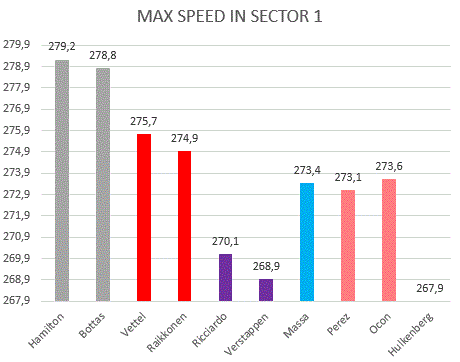
Andando ad analizzare il grafico in cui vengono riportate le velocità massime alla speed trap, notiamo una leggera differenziazione di set up tra i due Ferraristi e fra i due Red Bull. Con Raikkoen e Ricciardo che hanno scelto un assetto più scarico, risultando così più veloci nel dritto, ma meno efficaci nel misto. Un Raikkonen che di fatto è risultato essere addirittura più veloce delle Mercedes, Questo è un dato significativo che conferma l'ottima efficienza in rettilineo che la Ferrari riesce ad avere quando si avvicina alle top speed, grazie all'abbassamento del posteriore della vettura in rettilineo.
Il frangente in cui la Mercedes invece continua ad essere superiore è nell'accelerazione. Grazie alla sua sezione frontale più piccola, compensata da un corpo vettura e un fondo più ampio (l'effetto suolo non produce drag), risulta essere molto più scorrevole in rettilineo.
Conferma di ciò ci viene data dal confronto fra i tempi nei microsettori ( presentati in un video del canale ufficiale della F1) di Hamilton e Vettel nel Q3. (Vettel in rosso e Hamilton in azzurro)


Poiché questo confronto è stato fatto con Hamilton, dobbiamo tenere conto della sua pessima performance nel Q3. Va evidenziato l'errore in curva 14 che gli ha rovinato completamente il giro. Questa infografica ci fa notare come la Mercedes abbia guadagnato sulla Ferrari in ogni rettilineo e nel lungo curvone (curva 3) , per poi rimanere indietro nelle curve ad angolo stretto.
Tutto ciò ci viene confermato anche dall'analisi del gap percentuale nei vari settori.
 Perciò la vera domanda da porsi e perchè la Mercedes ha perso così tanto nel misto ?
Guardando gli onboard delle qualifiche si vede che entrambi i piloti della Mercedes chiudevano molto di più le curve rispetto a quelli della Ferrari, andando ad affrontarle con un angolo di sterzo maggiore.
Quando non lo facevano, la vettura tendeva al sottosterzo. Il fenomeno, veramente deleterio in termini di tempo sul giro, e che a volte, tende a trasformarsi in sovrasterzo quando l'anteriore riprende grip, come reazione della vettura al cambio di aderenza al suolo.
 Tagliare di più la curva ha costretto i piloti a salire di più sul cordolo e a volte a rimbalzarci sopra, scomponendo cosi la vettura all'uscita di curva. Ho scritto "rimbalzarci sopra" perché la vettura non sembrava morbida come al solito sui cordoli, forse per la scelta di un assetto più rigido all'anteriore in modo da far lavorare di più le gomme anteriori che facevano molta fatica a mandare in temperatura.
  Seguendo il ragionamento si può quindi capire perché la Mercedes è risultata così difficile da guidare e così poco competitiva rispetto al solito. Vedremo se queste difficoltà nel tenere le gomme nel giusto range di temperatura (anche all'anteriore) si presenteranno anche nelle prossime gare tenendo presente che quello di Sochi è stato un weekend abbastanza anomalo,
Sicuramente da segnalare è la performance della Force India che è riuscita ad entrare in Q3 probabilmente soprattutto per la PU Mercedes. Situazione opposta invece per la Renault che, viste le carenze motoristiche, ha scelto invece un assetto molto carico così da risultare competitiva nei settori più guidati.
 Per il momento è tutto, ci vediamo a Barcellona dove vedremo i primi importanti step evolutivi delle varie vetture. Ciao e sempre keepushing !!!!
GRAFICI SULLA GARA